
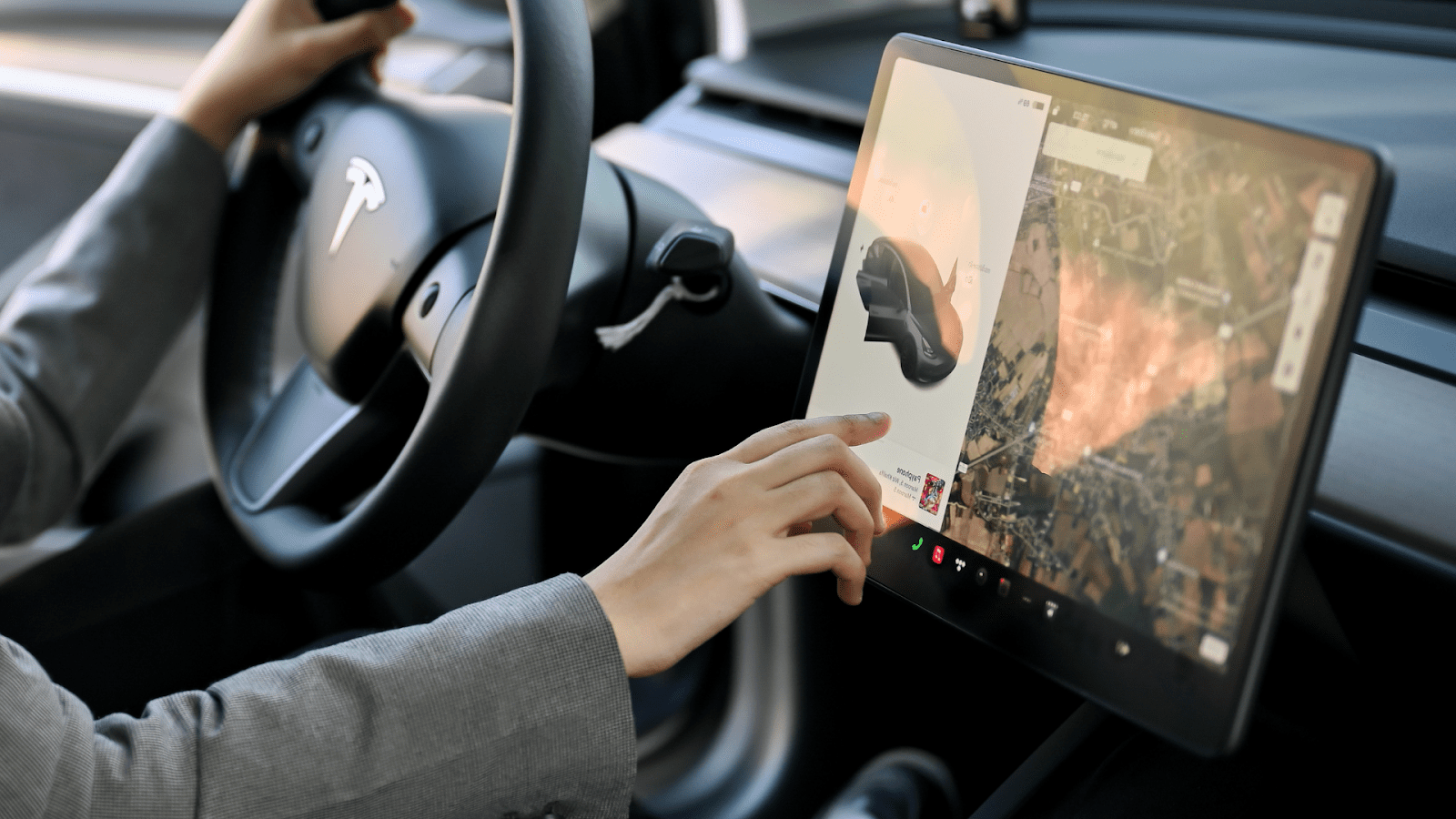
Tesla’s Autopilot and Full Self Driving systems have always been equal parts impressive and controversial. In 2026, they’re more capable than ever, but also more confusing for buyers. Names have changed. Features have shifted behind paywalls. Pricing models are in flux. And regulators are watching closely.
This guide breaks down what Autopilot and Full Self Driving actually mean today, what’s new in 2026, and what you should realistically expect if you’re driving or buying a Tesla right now.
What Autopilot Means in 2026 (and What It Does Not)
Let’s start with a reality check.
Tesla does not sell a fully autonomous car today.
Every system Tesla offers in 2026 is still classified as driver assistance. Even the most advanced version requires constant supervision, eyes on the road, and readiness to take over instantly. Tesla now emphasizes this more clearly than ever, which is why the word “Supervised” is front and center.
As of 2026, Tesla’s driver assistance landscape looks like this:
- Traffic Aware Cruise Control (TACC)
- Full Self Driving (Supervised)
That’s it. The old layers are gone.
Traffic Aware Cruise Control (TACC)
What it is
All new Teslas now ship with basic cruise control only. Specifically:
- The car maintains speed
- The car slows down for traffic ahead
That’s the full feature set.
What it does not include:
- No lane centering
- No Autosteer
- No automated steering of any kind
In short, TACC is comparable to adaptive cruise control on most modern vehicles. Helpful, but very limited.
Basic Autopilot: Historical Only
This is a major shift from previous years. What used to be called “Basic Autopilot” no longer exists as a free baseline feature. If you want the car to steer itself at all, you must pay for Full Self Driving (Supervised).
Some used Teslas or current Tesla owners may still have Autopilot attached to the vehicle, but new buyers cannot add it. Autopilot features all the aspects of TACC as well as lane centering.
Autopilot and Enhanced Autopilot (EAP): Historical Only
Enhanced Autopilot no longer exists as a purchase option.
Tesla previously offered EAP as a middle tier between Basic Autopilot and Full Self Driving. It included features like automated lane changes and Navigate on Autopilot. That option has been fully retired.
Some used Teslas may still have EAP attached to the vehicle, but new buyers cannot add it. For practical purposes, it only matters if you are buying used and being grandfathered in.
Full Self Driving (Supervised)
This is now the only way to unlock steering, lane keeping, and advanced driver assistance on a Tesla.
Pricing and access in 2026
As of early 2026, Tesla offers FSD in two ways:
- Subscription at $99 per month
- One time purchase at $8,000 available only until February 14, 2026
Important clarification
- If you purchased FSD in the past, nothing changes. You keep it permanently.
- The February 14 cutoff only affects new buyers.
- After that date, all signs point to FSD becoming subscription only.
Elon Musk has also publicly hinted on X that the $99 monthly price is unlikely to stay there long as the software improves.
What Full Self Driving (Supervised) includes
FSD builds on TACC and adds:
- Autosteer for highway and city driving
- Automatic lane changes when following navigation
- Navigate on Autopilot for highway interchanges and exits
- Traffic light and stop sign recognition with automatic slowing and stopping
- City street driving including turns, merges, and intersections
- Selectable driving styles like Chill, Standard, and Hurry
- Camera based driver monitoring instead of constant steering wheel torque
- Frequent over the air (OTA) updates with ongoing improvements
In real world terms, this means the car can handle much more of the driving task, but it still expects you to supervise every second.
Limitations and safety realities
- Drivers must remain attentive at all times
- Hands free does not mean attention free
- Performance varies based on lighting, weather, road markings, and region
- Construction zones and unusual layouts still cause issues
- Tesla explicitly warns against assuming the system will behave correctly
Regulatory pressure remains high, especially in the US and Europe, and feature availability can change quickly based on government rulings.
What’s New in 2026
FSD v14 and the large model shift
One of the biggest changes carrying into 2026 is Tesla’s transition to FSD v14. Internally, Tesla has described this as a massive expansion in neural network scale and training complexity, sometimes referred to as a ten times parameter increase.
The goal is better decision making in complex environments like city streets, construction zones, and unpredictable human behavior.
More natural driving behavior
Recent updates have focused less on raw capability and more on smoothness. Lane selection, merging, braking, and acceleration feel more human than earlier versions. This has reduced driver fatigue, even if full autonomy remains out of reach.
Expanded hands free driving with supervision
Tesla continues to relax steering wheel interaction requirements in many scenarios, relying more on cabin camera monitoring. That said, this system still struggles in low light or when the driver’s face is obscured.
Ongoing regional expansion
FSD continues to roll out to additional countries, but feature sets vary widely. Some regions restrict automatic lane changes or city street behavior due to local laws.
What Drivers in 2026 Should Expect
Expect improvement, not autonomy
FSD in 2026 is significantly better than in previous years, especially in city driving. But it is not a robotaxi system. You should still expect occasional disengagements and interventions.
Hardware matters more than ever
Not all Teslas receive the same updates. Vehicles with newer compute hardware and camera configurations will continue to receive more advanced features first.
Subscription flexibility
The subscription model allows drivers to activate FSD only when they need it. Long road trips, heavy commute periods, or travel months are common use cases.
Real World Comparison
Highway driving
With TACC: Speed and distance control only
With FSD: Lane keeping, lane changes, exits, and merges handled automatically
City streets
With TACC: Fully manual
With FSD: Stops for lights and signs, turns, navigation guided driving
Road trips
With TACC: Some fatigue reduction
With FSD: Significantly reduced workload but still supervised
Complex scenarios
With TACC: Driver handles everything
With FSD: Improved handling but still not guaranteed
Risks and Watch Outs
- Construction zones and temporary markings
- Weather, glare, and low visibility
- Overconfidence from drivers
- Sudden feature changes due to regulation
Forward Look
In 2026, Tesla is firmly in the era of supervised autonomy. The software is improving quickly, and FSD feels meaningfully different year over year, but true unsupervised driving remains a future goal, not a present reality.
For now, the smartest approach is to treat FSD as a powerful driver assistance tool that can reduce fatigue and stress, not replace your responsibility behind the wheel.
DIY Wrap Club
Just picked up a Tesla or upgrading your daily driver?
We design high quality DIY PPF and vinyl wrap kits that let you protect and customize your car without paying shop prices. From fingerprint protection to full exterior coverage, we help you keep your Tesla looking new while you enjoy the tech inside it.


