
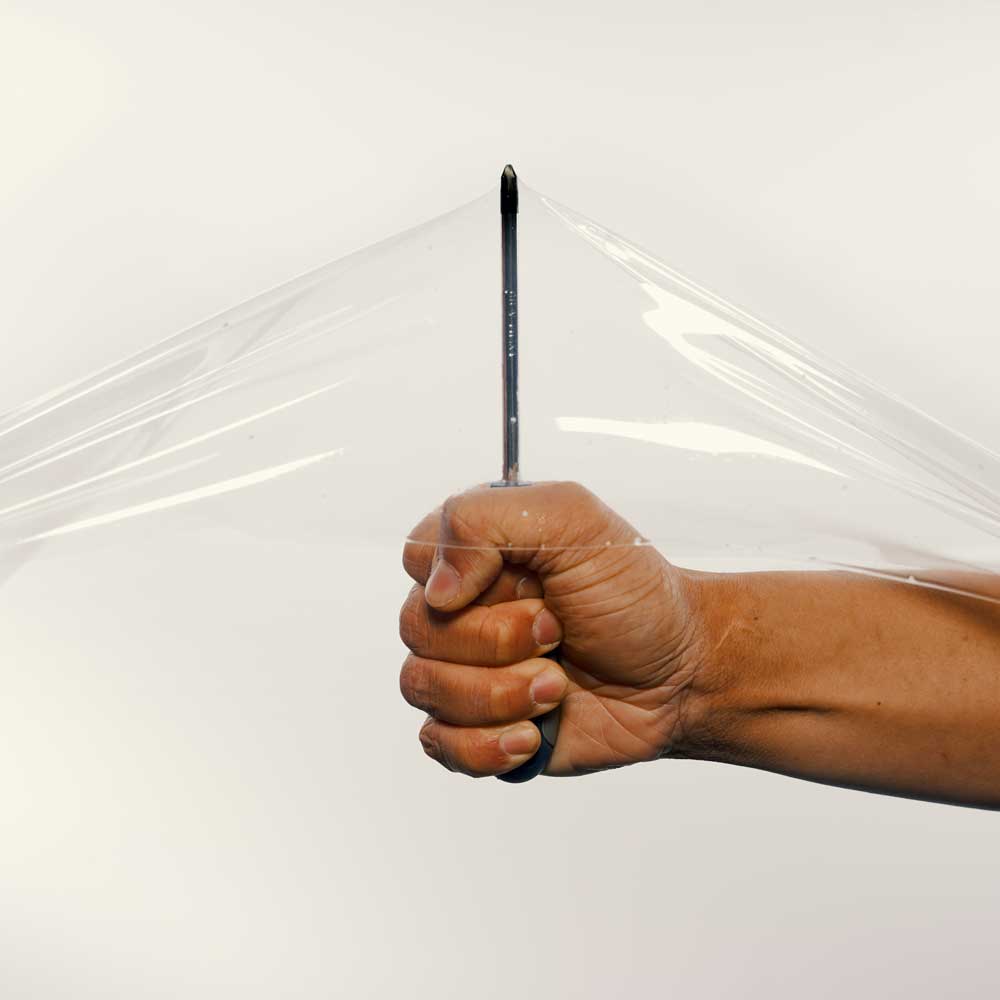
If you want to keep your car looking new but don’t know where to start, this PPF 101 guide is for you. Paint protection film, also called PPF, is one of the best ways to protect your vehicle from rock chips, scratches, road debris, bug splatter, and daily wear.
But for beginners, PPF can feel confusing.
This guide breaks everything down so you can understand what PPF is, how it works, what coverage makes sense, and how to decide whether DIY PPF is right for you.
Quick start summary
PPF stands for paint protection film.
It is a durable urethane film that bonds to your vehicle’s painted surfaces to protect against rock chips, scratches, road debris, bug splatter, salt, grime, and everyday driving damage.
PPF is different from vinyl wrap. Vinyl is mainly for changing the look. PPF is mainly for protection.
Clear gloss PPF keeps your factory paint looking shiny. Matte PPF gives your paint a satin or stealth finish. Colored PPF changes the look of the car while also adding protection.
The most popular areas to protect first are the front end (front bumper, hood, fenders, mirrors, & headlights), rocker panels, and rear impact areas like the trunk ledge.
Good prep, clean installation, the right solution mix, patient squeegee work, and proper aftercare matter more than speed.
Small moisture bubbles and haze can be normal after installation. The film needs about 24 hours to cure.
What PPF is and what it is not
PPF is a clear or colored protective film that goes over your vehicle’s paint. It is designed to take the abuse that your paint would normally take.
It helps protect against:
- Rock chips
- Road debris
- Light to medium scratches
- Swirl marks
- Bug splatter
- Bird droppings
- Tree sap
- Road salt
- Dirt and grime
- Daily driving wear
PPF is not armor. It will not make your car indestructible. A large enough impact can still damage the film or the paint underneath. But for normal driving, PPF dramatically reduces the damage that makes paint look worn over time.
PPF is also not a paint correction product. It does not fix damaged paint. If your paint already has chips, scratches, or defects, those imperfections may still be visible under the film.
A short history of PPF
Paint protection film was originally developed for military use to protect helicopter blades and other high impact surfaces from debris. Over time, the technology made its way into automotive protection.
Early automotive PPF was thicker, less clear, and more noticeable. Some films would yellow, crack, or become difficult to remove.
Modern PPF is much more advanced. Today’s high quality films are clearer, more flexible, more durable, and often self healing. Many also include hydrophobic top coats that help repel water and make cleaning easier.
The biggest change is that PPF is no longer just for exotic cars. It is now common on daily drivers, Teslas, trucks, EVs, enthusiast cars, and family vehicles.
How PPF is built
A typical PPF film has multiple layers.
The top coat is the outer layer. It helps resist stains, light scratches, and chemical damage. On many modern films, this layer is also self healing.
The urethane layer is the main protective layer. This is what absorbs impact from small rocks and road debris.
The adhesive layer bonds the film to the paint.
The release liner protects the adhesive before installation and gets removed right before the film is applied.
PPF is much thicker than vinyl wrap. Many automotive PPF films are around 8-10 mil thick, while standard color change vinyl is often around 3 to 4 mil thick.
That extra thickness is one reason PPF protects better than vinyl.
How PPF works
PPF works by creating a physical barrier between your paint and the outside world.
When road debris hits your car, it hits the film first. The film absorbs and spreads out the impact, which helps prevent chips and scratches from reaching the paint.
Modern PPF also has self healing properties. Light scratches and swirl marks in the top coat can disappear with heat from the sun, warm water, or a heat gun.
That does not mean every scratch will vanish. Deep cuts, gouges, and heavy impacts can permanently damage the film. But for normal wash marks and light surface scratches, self healing can keep the film looking cleaner for longer.
PPF vs vinyl wrap
PPF and vinyl wrap are not the same thing.
Vinyl wrap is mainly for changing the color or style of a vehicle. It is thinner and is not designed to absorb rock impacts the same way PPF does.
PPF is mainly for protection. It is thicker, more durable, and better at protecting paint from road damage.
Here is the simple version:
- Vinyl wrap changes the look.
- PPF protects the paint.
- Colored PPF does both. It changes the appearance of your vehicle while still giving you the protection benefits of PPF.
PPF vs ceramic coating
PPF and ceramic coating are also different.
Ceramic coating is a liquid coating that bonds to the surface. It adds slickness, gloss, water beading, and easier cleaning. It can help protect against light chemical staining and dirt buildup.
But ceramic coating does not stop rock chips.
PPF is a physical film. It can absorb impact from debris and protect the paint from chips and scratches.
The best protection setup is often PPF first, then ceramic coating over the PPF.
PPF protects against impact.
Ceramic coating makes the surface easier to clean.
Types of PPF
Gloss clear PPF
Gloss PPF is the most common option. It protects the paint while keeping the original glossy look.
This is a great choice if you like your factory color and just want to keep it looking new.
Matte (aka stealth or satin PPF)
Matte PPF changes the finish of the paint. It can make a gloss car look satin or stealth.
It is also used to protect factory matte paint without making it glossy.
Matte PPF is popular for people who want a more custom look without fully changing the color.
Colored PPF
Colored PPF has color built into the film. It gives the car a new look while also adding paint protection.
This is a great option if you are deciding between vinyl wrap and PPF. Colored PPF usually costs more than vinyl, but it provides better impact protection.
Texture or specialty PPF
Some films come in special finishes like carbon fiber, forged carbon, black, smoke, or other styling options.
These are often used for accents, trim, headlights, taillights, rocker panels, or high impact areas where both style and protection matter.
Common PPF coverage options
There is no one size fits all answer for PPF coverage. The right choice depends on how you drive, your budget, and how much protection you want.
Partial front PPF
Partial front coverage usually protects the front bumper, partial hood, partial fenders, headlights, and mirrors.
This is an entry level option for people who want to protect the most obvious impact zones without covering the whole car.
The downside is that you will see a film line across the hood and fenders.
Full front PPF
Full front coverage usually includes the full hood, full front fenders, front bumper, mirrors, and headlights.
This is one of the best value options because it protects the areas that take the most abuse from highway driving.
For many daily drivers, full front PPF is the sweet spot.
Rocker panel PPF
Rocker panels are the lower sections along the side of the car.
These areas get hit by rocks, gravel, salt, and road debris kicked up by the front tires.
On Teslas and other EVs, rocker panels and lower doors can be especially vulnerable because of the shape of the body and the amount of road debris that gets thrown along the side.
If you want practical protection without doing the whole vehicle, rocker panel PPF is one of the smartest upgrades.
Full body PPF
Full body PPF covers most or all painted panels on the car.
This is the highest level of protection and is ideal if you want to preserve the vehicle long term, protect a high value car, change the color, or avoid mismatched wear between protected and unprotected panels.
Full body PPF costs more and takes more time, but it gives the most complete coverage.
Individual panel PPF
Individual panel kits are helpful when you only want to protect one specific area.
Examples include:
- Hood
- Bumper
- Fender
- Door
- Rocker panel
- Liftgate
- Trunk
- Rear quarter
- Mirror cap
Individual panels are also useful after a repair, accident, or partial repaint.
What areas should beginners protect first?
If you are new to PPF, start with the areas that are most likely to get damaged.
The highest impact areas are usually:
- Front Package (Hood, Front fenders, Front Bumper, Side mirrors, Headlights)
- Rocker panels or lower doors
- Rear wheel impact areas
- Trunk ledge or loading area
If you drive mostly on highways, start with the front end.
Rocker panels and lower doors should be high on your list if you drive in areas with gravel, construction, salt, or rough roads.
If you load cargo often, protect the rear bumper ledge or trunk area.
Understanding edges, seams, and coverage
One thing beginners should understand is that PPF is not just about the panel shape. It is also about how the edges are designed.
Some kits stop slightly before the edge. These are easier to install and reduce the chance of edge lift.
Some kits wrap around edges. These can look more invisible, but they are harder to install and require better cleaning, more stretch control, and stronger edge finishing.
Some kits have seams. This is common on very large or complex panels where one piece installation would be difficult.
A good kit balances coverage, install difficulty, and long term durability.
More coverage is not always better if the edge design creates a higher chance of lifting.
Precut PPF vs bulk installation
PPF can be installed using precut patterns or bulk film.
Precut PPF is already shaped for the vehicle. This makes it easier for DIY installers because you do not have to trim directly on the car.
Bulk PPF is installed as a larger sheet and trimmed by hand. This gives an experienced installer more flexibility, but it also requires more skill and carries more risk.
For beginners, precut kits are usually the best choice.
They reduce cutting, save time, and make the install more approachable.
Can you install PPF yourself?
Yes, PPF can be installed DIY, but the difficulty depends on the coverage area and often the actual design of the kit.
Some pieces are beginner friendly. Others are advanced.
Beginner friendly projects include:
- Door sills
- Rocker panels
- Rear impact areas
- Small trim pieces
More advanced projects include:
- Front bumper
- Mirrors
- Large hoods
- Deep curves
- Complex corners
- Full body kits
The most important thing is to start with a project you feel comfortable with. A rocker panel, door sill, or small impact area is an easy place to learn and gain confidence.
At DIY Wrap Club, our courses provide in-depth guidance on prepping your car, learning basic skills, and installing with us to ensure success. We also don’t use generic templates; we design and create our kits in-house in Chattanooga, TN.
Tools you need for PPF installation
For most DIY PPF installs, you will want:
- Slip solution
- Tack solution
- Two spray bottles
- Squeegee set
- Microfiber towels
- Clay bar
- pH neutral car shampoo & degreaser
- Clean water
- Clean install area
- Good lighting
A clean workspace matters as much as the tools. Dust, wind, lint, and direct sunlight can make the install much harder.
At DIY Wrap Club, our kits include everything you need so you don’t have to guess or go to multiple stores. We’ve tested and use everything we provide in our kits.
What is slip solution?
Slip solution helps the film float on the paint so you can position it.
Without enough slip, the adhesive grabs too quickly. This makes alignment harder and increases the chance of stretch marks, fingers, or trapped debris.
Slip solution is usually water mixed with a small amount of baby shampoo, dish soap, or a film safe slip concentrate.
The goal is not to make the panel so slippery that it never sticks. The goal is to give yourself enough working time to align the piece before locking it down.
What is tack solution?
Tack solution helps the film grab when you are ready to lock it in place.
It is often used on edges, corners, recessed areas, and spots where the film wants to lift.
Tack solution usually contains water and isopropyl alcohol.
Slip lets the film move.
Tack flushes the slip out and helps the film stick.
A common beginner mistake is using tack solution too early or too aggressively. That can make the film grab before it is aligned.
Surface preparation
Prep is one of the most important parts of a PPF install.
Before installing, wash the car thoroughly. Remove dirt, wax, grease, bugs, tar, and road grime.
A good prep process usually includes:
- Wash the car
- Clay the surface
- Clean edges and seams
- Wipe with isopropyl alcohol mix
The film can only stick as well as the surface underneath it. If dirt, wax, coating, or grime is on the paint, the film may not bond properly.
Should you ceramic coat before PPF?
No, you shouldn’t.
If you are planning to install PPF, install the PPF first. Then ceramic coat over the film if desired.
Ceramic coating before PPF interferes with adhesion. The film may not stick as well, especially on edges and corners.
The best order is:
- Paint correction if needed
- PPF installation
- Ceramic coating over the PPF
Basic PPF installation process
Every panel is different, but the general process is similar.
- Clean and prep the surface.
- Spray slip solution on the panel.
- Peel the liner while spraying the adhesive side of the film.
- Float the film into position.
- Align the main reference points.
- Lock down an anchor area.
- Squeegee solution out from the center toward an exit path.
- Use tack solution where needed for edges and corners.
- Finish edges with firm pressure.
- Let the film cure.
The key is controlled movement. Do not force the film. If something is not laying right, lift, rewet, relax the film, and try again.
Squeegee technique
Good squeegee techniques prevents bubbles, fingers, and trapped solution.
Use overlapping strokes.
Push solution toward the nearest exit path.
Do not trap water in the middle of the panel.
Use firm, even pressure.
Keep the squeegee wet so it glides over the film.
Avoid random strokes in every direction.
Think of squeegeeing like directing traffic. Every pass should move water somewhere useful.
What are fingers in PPF?
Fingers are raised areas where the film does not want to lay flat, sometimes called wrinkles. They often appear near curves, edges, corners, or areas with too much material.
Fingers happen when the film has tension or extra material that needs to be managed.
To fix fingers, you usually need to:
Lift the area
Add slip solution
Relax the film
Redirect the tension
Squeegee toward an edge
Use tack solution only when ready to lock it down
Do not just smash a finger with a dry squeegee. That can create a crease.
Edge finishing
Edges are where many beginner installs fail.
A panel may look great at first, but if the edges are not cleaned, tacked, and finished properly, they can lift later.
For better edges:
Clean edges before installation
Flush dirt from seams
Avoid touching adhesive with dry fingers
Use tack solution at the right time
Squeegee moisture fully out
Post heat edges if recommended
Check edges again after the install
A clean edge is more important than rushing to finish the panel.
Curing after installation
PPF needs time to cure.
During curing, moisture evaporates and the adhesive bonds more fully to the paint.
You may see:
- Light haze
- Small moisture pockets
- Tiny bubbles
- Slight texture
- Edges that need a final check
This can be normal. Warm weather speeds up curing. Cold or humid weather slows it down.
Do not panic if the film does not look perfect immediately after installation. Some visual imperfections improve as the film dries.
How long does PPF last?
High quality PPF can last several years with proper care. Many films are designed to last around 7 to 10 years depending on the brand, climate, maintenance, mileage, and how the vehicle is stored.
Factors that affect lifespan include:
- Film quality
- Install quality
- Sun exposure
- Road conditions
- Mileage
- Washing habits
- Climate
- Edge maintenance
- Chemical exposure
A garage kept vehicle that is washed properly will usually keep the film looking better longer than a vehicle that sits outside all day and drives in harsh conditions.
How to care for PPF
PPF is low maintenance, but it still needs proper care.
Wash regularly with pH neutral, non-toxic solutions.
Use clean microfiber towels.
Avoid harsh chemicals.
Remove bugs and bird droppings quickly with a quick detailer or waterless wash.
Do not pressure wash directly into edges.
Avoid abrasive compounds unless the film manufacturer allows it.
Use PPF safe detail sprays or ceramic toppers.
Keep edges clean.
If dirt builds up along an edge, it can make the film more visible and increase the chance of lifting.
Can you polish PPF?
You can lightly polish some PPF, but you need to be careful.
PPF is not paint. Aggressive polishing can damage the top coat or create uneven gloss.
If you are trying to remove light marks, use a PPF safe polish and test a small area first.
Many light scratches can self heal with heat, so polishing may not be necessary.
Can PPF be removed?
Yes, PPF can be removed.
When installed and removed properly, quality PPF should come off without damaging factory paint.
Removal usually involves heat, patience, and pulling the film at the right angle.
Be more careful if the car has:
- Repainted panels
- Old film
- Poor quality film
- Damaged clear coat
- Previous bodywork
- Weak paint
Factory paint is usually safer than repainted panels, but there is never zero risk.
Removal basics
Warm the film.
Start at an edge or corner.
Pull slowly at a shallow angle.
Keep the film warm while pulling.
Do not yank aggressively.
Use adhesive remover if residue remains.
Clean the panel after removal.
If the film is old, brittle, or stuck, removal may take more time and a steamer may be useful.
Common beginner mistakes
Installing in a dusty area.
Skipping proper prep.
Using too little slip solution.
Touching the adhesive with dry hands.
Squeegeeing randomly with no exit path.
Rushing corners and edges.
Installing in weather that is too hot or too cold.
Most PPF mistakes come from rushing. Slow down, keep the film wet, and reset when needed.
Troubleshooting
Small moisture bubbles
Small moisture bubbles can be normal after installation. Give the film time to cure.
Warm weather and sunlight can help.
Air bubbles
Air bubbles usually do not disappear the same way moisture does. They may need to be pushed out during installation or carefully addressed afterward with a syringe.
Dirt under the film
Dirt or debris usually stays visible. If you catch it early, you may be able to lift the film, flush it with slip solution, and reset it.
Fingers at the edge
Lift the area, rewet, relax the film, and squeegee toward the edge. Use tack solution only when you are ready to lock it down.
Edge lift
Edge lift usually comes from contamination, moisture, poor prep, too much tension, or not enough finishing pressure.
Clean edges thoroughly and avoid overstretching into corners.
Stretch marks
Stretch marks happen when the film is pulled too aggressively. Use more slip, more patience, and less force.
Creases
Deep creases are usually permanent. If the crease is obvious, the piece may need to be replaced.
Budget and expectations
PPF can range from small affordable protection pieces to full vehicle coverage.
The cost depends on:
- Film type
- Coverage area
- Vehicle complexity
- Precut vs bulk installation
- DIY vs professional install
- Gloss, matte, or colored finish
- Installer experience
- Installer region (cost of living variances)
DIY saves labor, but you should expect a learning curve.
Professional installation costs more, but you are paying for experience, speed, cleaner installation, and the ability to handle complex panels.
A realistic beginner goal is not perfection under a microscope. A good first install should have clean alignment, no major fingers, no obvious dirt in key areas, and secure edges.
Should you DIY or hire a pro?
DIY makes sense if:
- You enjoy learning
- You have patience
- You can control your workspace
- You are okay redoing a piece if needed
- You are starting with beginner friendly panels
- You want to save on labor
Hiring a pro makes sense if:
- You want near perfect results
- You have a complex vehicle
- You do not want to risk wasting film
- You have the budget to do so
There is no wrong answer. It depends on your expectations.
Glossary of PPF terms
Adhesive: The bonding layer that sticks the film to the paint.
Bulk install: Installing from a larger sheet of film and trimming by hand.
Clear bra: An older common term for PPF, usually referring to front end protection.
Colored PPF: Paint protection film with color built into it.
Cure time: The time it takes for moisture to evaporate and adhesive to bond fully.
Edge lift: When the film starts peeling up at the edge.
Fingers: Raised areas on the edges where the film does not lay flat. Also called wrinkles.
Gloss PPF: Clear PPF that keeps the shiny factory paint look.
Matte PPF: Film that gives the paint a satin or stealth finish.
Precut kit: PPF already cut to fit a specific vehicle panel.
Release liner: The backing removed before installation.
Self healing: The ability of the film’s top coat to repair light scratches with heat.
Slip solution: Water mixed with a small amount of soap or slip concentrate to help position the film.
Tack solution: Water mixed with alcohol to help the film grab in specific areas.
Top coat: The outer layer of the film that helps resist stains and light scratches.
Urethane: The main protective layer of PPF.
PPF and Teslas
Teslas are popular vehicles for PPF because many owners want to preserve the paint from the beginning.
Because Teslas are often daily driven and have smooth painted surfaces that show chips easily, even partial protection can make a noticeable difference.
At DIY Wrap Club, we specialize in creating DIY PPF kits for Tesla owners.
PPF 101 final summary
PPF is one of the best ways to protect your vehicle’s paint from real world driving damage.
It helps prevent rock chips, scratches, bug damage, salt damage, and road wear.
PPF is different from vinyl wrap because it is designed for protection.
It is different from ceramic coating because it provides physical impact resistance.
Gloss PPF keeps your factory look.
Matte PPF creates a satin or stealth look.
Colored PPF changes the color and protects the paint.
The front end, rocker panels, lower doors, and rear impact areas are the most important areas to protect first.
DIY PPF is possible, but beginners might benefit from starting with simple pieces before moving to bumpers or full body kits.
Clean prep, good solution control, smart squeegee work, and proper edge finishing are the keys to a successful install.
Frequently asked questions about PPF
What does PPF stand for?
PPF stands for paint protection film.
Is PPF worth it?
PPF is worth it if you care about keeping your paint in good condition, especially if you drive often, use highways, park outside, or plan to keep your vehicle long term.
Does PPF stop all rock chips?
No film can stop every possible impact, but PPF greatly reduces the chance of paint damage from normal road debris.
Is PPF visible?
High quality clear PPF is very hard to notice when installed correctly. Edges may be visible depending on the kit design and lighting.
Can I ceramic coat over PPF?
Yes. Ceramic coating over PPF is common and can make the film easier to clean.
Should I ceramic coat before PPF?
Usually no. Install PPF first, then ceramic coat over it.
Can I wax PPF?
Yes, but use products that are safe for PPF. Avoid harsh compounds or products with aggressive solvents.
Can PPF be installed outside?
It is possible, but not ideal. Wind, dust, bugs, direct sun, and temperature swings can make installation harder. A clean garage is much better and highly recommended.
How soon can I wash my car after PPF?
It is best to wait 7 days before washing so the film can settle and bond. Avoid pressure washing edges early on.
Will bubbles go away after PPF installation?
Small moisture bubbles may go away as the film cures. Air bubbles, dirt, or creases usually will not disappear on their own.
Can I remove PPF later?
Yes. PPF can be removed with heat and patience. Extra caution is needed on repainted panels or older film.
Is DIY PPF hard?
It depends on the panel and the kit. Small, flat pieces are beginner friendly. Large curved bumpers and mirrors are more advanced.
Final thoughts
PPF is one of the most practical upgrades you can make if you want to protect your vehicle’s paint. It keeps the car looking newer, reduces rock chip damage, and gives you peace of mind when driving.
You do not have to start with full body coverage. A front kit, rocker panel kit, or individual high impact panels can still make a big difference.
Start with the areas that take the most abuse. Take your time with prep. Choose the coverage that matches how you drive. And remember that PPF is a skill. The more you understand the film, the better your results will be.


