
Understanding Preventative PPF for Teslas
Real Costs of Preventative PPF
- Partial Front (bumper, partial hood, partial fenders, lights, mirrors): $1,000–$2,000. Ideal for budget-conscious owners focusing on high-impact areas.
- Full Front (bumper, full hood, full fenders, mirrors, lights): $2,000–$3,000.
- Full Body: $4,000–$8,500+ for professional install. Colored or matte options add $500–$1,000.
DIY kits slash these prices: Full body $1,300–$2,500, front around $500-700.
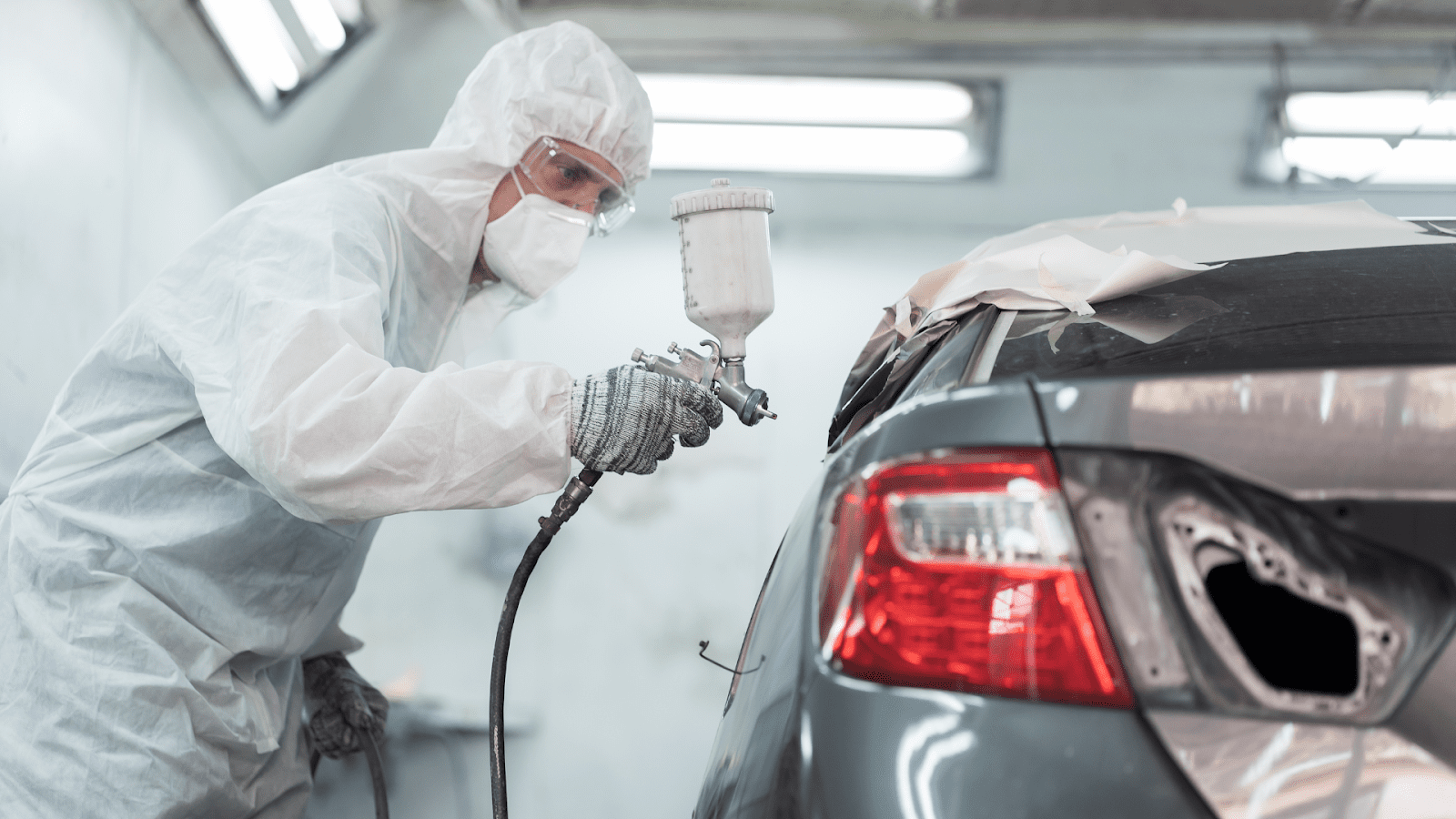
Real Costs of Repainting Later
- Single Panel (e.g., bumper or door): $800–$1,500 per panel. Owners report $1,200–$2,200 for bumper resprays.
- Full Paint Job: $5,000–$20,000+, depending on quality and extent. Inflation has pushed 2020’s $5k jobs to $15k–$20k now.
Add downtime: Repaints take days to weeks.
Pros and Cons: PPF vs. Repainting
|
Aspect
|
Preventative PPF
|
Repainting Later
|
|---|---|---|
|
Protection
|
Superior against chips, scratches, UV; self-healing. |
Fixes existing damage but offers no ongoing shield—new paint can chip again. |
|
Cost Long-Term
|
Upfront $1k–$8k, but saves on future repairs; lasts 5-10 years. 10 year warranty. |
$800–$2k/panel, but repeated jobs add up; full repaint $15k+. |
|
Aesthetics
|
Invisible or enhances (gloss/matte/color); preserves original paint. |
Restores look but may not match factory perfectly; can signal prior damage. |
|
Downtime
|
A shop will hold it for about a week; DIY options completed on your own time. |
Weeks for full job; car unusable during curing. |
|
Resale Value
|
Boosts by maintaining pristine condition; no “repaint” history. |
Can decrease if buyers detect non-original paint. |
|
Cons
|
High initial cost; professional install pricey if not DIY. |
No prevention; must live with damage until fixed. |
PPF Isn’t Just Protection—It’s Value Preservation
Repainting might seem cheaper initially, but it doesn’t prevent future damage and can tank resale. Buyers use paint gauges to spot repaints, often assuming accidents or poor care, knocking $1k–$2k off offers.


